BMS vs EMS: What’s the Difference in Energy Storage Systems?
BMS vs EMS: Understanding the Key Differences in Energy Storage Systems
Product Description
BMS vs EMS: Understanding the Key Differences in Energy Storage Systems
Goto SolarEast to know more.
Unlock the potential of your energy storage solutions with our state-of-the-art Battery Management Systems (BMS) and Energy Management Systems (EMS). Whether you're looking to optimize battery performance or maximize your energy efficiency, understanding the differences between BMS and EMS is crucial for making an informed decision that meets your unique energy needs.
What is a BMS?
A Battery Management System (BMS) is designed to monitor, control, and protect your battery system. It ensures battery life optimization, safety, and reliability through key features such as:
- Cell Monitoring: Continuous tracking of voltage, temperature, and current to prevent overcharging and deep discharging.
- State of Charge (SoC) Calculation: Accurate assessment of the battery's current charge level, guaranteeing seamless energy delivery.
- Thermal Management: Intelligent control of temperature for safe operation and extended battery life.
- Fault Diagnosis: Immediate detection of issues to enhance safety and operational efficiency.
What is an EMS?
On the other hand, an Energy Management System (EMS) takes a broader approach by not only managing individual energy sources but also integrating them into a cohesive system. The primary benefits include:
- Real-time Monitoring: Comprehensive insights into energy consumption and generation, allowing for timely adjustments.
- Optimized Energy Usage: Intelligent algorithms ensure the most efficient use of energy resources, reducing costs and environmental impact.
- Demand Response Management: Automatically adjusts energy usage in response to peak demand periods, providing savings and stability.
- Integration with Renewable Sources: Seamlessly incorporate solar, wind, and other renewable energies to maximize sustainability.
Key Advantages of BMS vs EMS
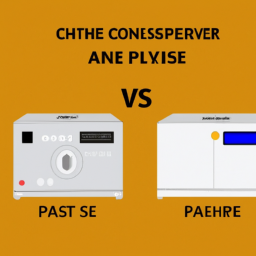
While both systems play crucial roles in energy management, they serve different but complementary functions:
BMS: Primarily focuses on the health and performance of battery packs, perfect for industries reliant on battery-powered systems like electric vehicles, renewable energy storage, and more.
With competitive price and timely delivery, SolarEast sincerely hope to be your supplier and partner.
EMS: Provides a holistic view of energy management, ideal for commercial and industrial sectors seeking to enhance overall efficiency and sustainability.
Applications
BMS Applications: Electric vehicles, renewable energy storage systems, uninterruptible power supplies (UPS), and consumer electronics.
EMS Applications: Smart buildings, industrial automation, microgrids, and commercial energy systems.
Why Choose Our Solutions?
With years of expertise and innovation in energy storage technology, our BMS and EMS offer:
- Customization: Tailored solutions designed to meet your specific requirements.
- Scalability: Flexible options that grow with your energy needs.
- Reliability: Industry-leading performance and safety standards, ensuring peace of mind.
Conclusion
Investing in a BMS or EMS is more than just a purchase; it’s a commitment to optimizing energy usage, enhancing performance, and promoting sustainability. Explore our comprehensive range of BMS and EMS solutions today, and take the first step towards a smarter, more efficient energy future. Don’t settle for less—choose quality, reliability, and innovation. Contact us now for a custom quote and discover how we can transform your energy management experience!
Related Products:BMS vs EMS: What’s the Difference in Energy Storage Systems?